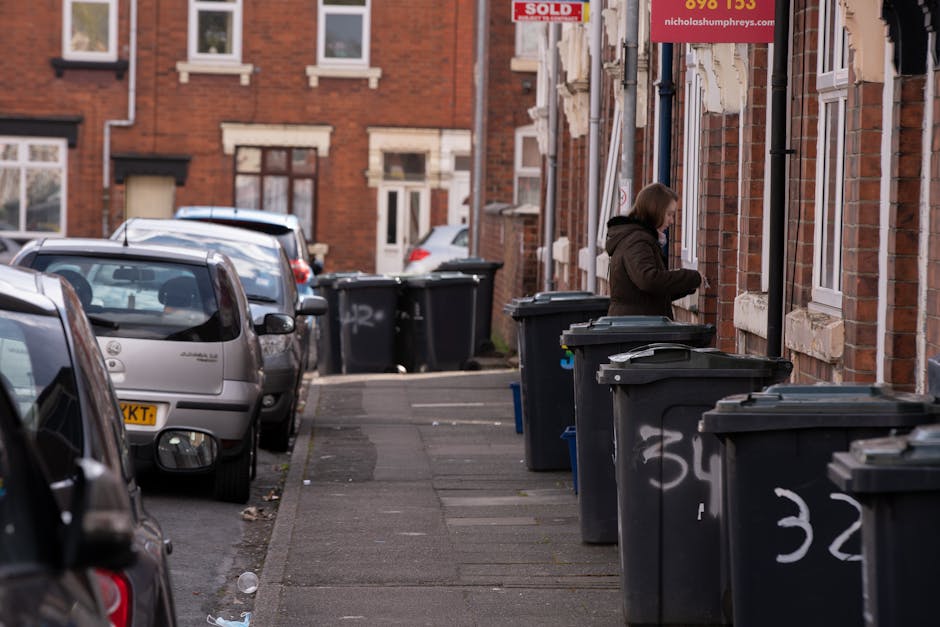
What to know about delays in Brimsdown rubbish pickups
If you live or work in Brimsdown and a rubbish pickup is running late, it can throw the whole day off. The bins stay out, the pavement gets cluttered, and suddenly you are wondering whether the crew is still coming or whether you have missed a change somewhere. In this guide, we break down what to know about delays in Brimsdown rubbish pickups, why they happen, what your sensible next step should be, and how to reduce the chance of repeat problems.
Truth be told, most delays are not dramatic. They are usually the result of traffic, loading issues, access problems, overfilled collections, weather, or a route running behind. But if you do not know how to respond, even a small delay can become a nuisance. Let's make it simple.
Table of Contents
- Why delays in Brimsdown rubbish pickups matter
- How rubbish pickup delays usually work
- Key benefits of understanding the delay process
- Who this is for and when it makes sense
- Step-by-step guidance if your collection is late
- Expert tips for better results
- Common mistakes to avoid
- Tools, resources and recommendations
- Law, compliance, standards, or best practice
- Options, methods, or comparison table
- Case study or real-world example
- Practical checklist
- Conclusion
- Frequently asked questions
Why delays in Brimsdown rubbish pickups matter
A delayed rubbish pickup is more than a minor inconvenience. In a place like Brimsdown, where homes, flats, shops, and busy commercial spaces often sit close together, a missed or delayed collection can affect access, kerbside appearance, hygiene, and your own schedule. If you are running a business, delays can also affect how tidy your frontage looks to customers. Not ideal, as you can imagine.
For householders, the problem is usually practical: bins overflow, bags split, smells creep in, and gulls or foxes may start investigating. For landlords, letting agents, and property managers, a delay can be awkward during move-out days or between tenancies. For offices and trades, it may mean clutter builds up behind the scenes and staff lose space needed for daily work.
There is also a trust issue. When a pickup runs late repeatedly, people begin to wonder if the route is reliable or if something has gone wrong. Understanding the normal reasons for delay helps you separate a genuine service issue from an ordinary operational setback. That matters because it tells you whether to wait a little longer, re-check access, or escalate the problem properly.
Expert summary: most rubbish pickup delays are manageable when you know the cause, keep the collection area accessible, and act quickly if the delay goes beyond a reasonable window.
If you are comparing waste services more broadly, it can help to look at the provider's wider approach to waste removal, as well as related support such as pricing and quotes and recycling and sustainability. Those pages are useful when you want a cleaner picture of how collections are organised and what standards are being aimed for.
How rubbish pickup delays usually work
Most collection services, whether for domestic waste or light commercial waste, operate on planned routes. The crew follows a schedule, but that schedule can shift during the day. A pickup that was due at 9 a.m. may arrive at lunchtime, or later, if the earlier jobs took longer than expected. Sometimes the route catches up. Sometimes it does not.
Here is the part people miss: a delay does not always mean the collection has been cancelled. It may simply mean the team is behind on one street, negotiating roadworks, handling a bulky load, or dealing with an access issue at another stop. In Brimsdown, that could be as simple as a parked van blocking the loading point or a narrow access lane making the crew work more slowly than planned. Small things, but they add up.
In practical terms, you usually see one of these patterns:
- Short delay: the team is running behind but still completing the route.
- Conditional delay: the vehicle can reach your property, but access or loading may slow things down.
- Exception delay: something unexpected has happened, such as vehicle trouble or an unserviceable collection point.
- Reschedule: the pickup cannot be completed that day and a new slot is needed.
That is why it helps to keep your bins or sacks visible, reachable, and ready. If the crew can collect quickly, the route moves faster. If they have to search for bags behind locked gates, up steps, or through tight side passages, the delay often gets worse. Fair enough, nobody enjoys fiddly access at 7 in the morning.
Key benefits and practical advantages
Knowing how delays work saves time and frustration. More importantly, it helps you take sensible action instead of guessing. A lot of people wait too long, assume everything is fine, and then are surprised when their waste is still sitting there at the end of the day.
The main benefits are straightforward:
- Less uncertainty: you know when to wait and when to follow up.
- Better property presentation: bags and bins do not sit out longer than they need to.
- Fewer repeated issues: you can fix access or scheduling problems before they become habits.
- Cleaner shared spaces: especially useful in flats, terraces, and communal areas.
- Better planning: if you are moving, clearing a garage, or managing a business, you can plan around the collection window.
There is another advantage that gets overlooked. When you understand the difference between a minor delay and a service failure, you are better placed to communicate clearly. That tends to produce better outcomes. A calm, specific message beats a frustrated "where are you?" call every time.
If you are arranging a larger clearance and timing matters, it can also help to review related services such as house clearance, home clearance, or office clearance. Those services often involve more moving parts, so timing and access become even more important.
Who this is for and when it makes sense
This topic matters to a surprisingly wide group of people. If you only think about weekly bin day, you miss half the picture. Delays affect renters, homeowners, landlords, shop managers, office teams, builders, and anyone trying to keep a property in decent shape.
You will find this especially useful if you are:
- A householder trying to keep household waste under control.
- A tenant or flat resident dealing with communal bin access or shared arrangements.
- A landlord or agent coordinating a clearance between occupiers.
- A business owner whose frontage needs to look tidy for customers.
- A tradesperson needing timely removal of builders' waste.
- A family clearing space before a move, renovation, or visit from relatives.
It is also relevant when you are dealing with bulky or mixed waste. For example, if a garage has been used as a long-term dumping ground for old boxes, broken tools, and random furniture, any delay in pickup can disrupt the whole clear-out. The same applies to loft jobs, office clearances, and garden jobs where the waste is awkward rather than neat.
In these situations, delays are not just about patience. They affect the sequence of the job. If waste is not collected on time, the next task may be delayed too: flooring cannot be laid, a room cannot be staged, staff cannot reclaim storage space, and so on. Bit of a domino effect, really.
Step-by-step guidance if your collection is late
If your rubbish pickup in Brimsdown is delayed, do not panic. Work through it methodically. Nine times out of ten, a calm check solves it faster than a rushed complaint.
- Check the scheduled time window. Some pickups happen within a wider window, not at a fixed minute. If you are expecting a precise arrival time, confirm what was actually agreed.
- Look at access points. Make sure gates are open, vehicles can stop safely, and bags or bins are visible. A crew cannot collect what they cannot reach.
- Check for obvious blockers. Parked cars, locked shared entrances, narrow pathways, or overhanging branches can all slow a pickup.
- Gather the details. Note the time, what was said, and whether anything unusual was happening on the street. This keeps your follow-up clear.
- Allow a reasonable buffer. If the route is busy, a delay of a short while may be normal. If the whole day passes and nothing happens, that is different.
- Contact the provider with specifics. Keep it simple: collection address, type of waste, any access details, and what time the team was due.
- Ask what happens next. Will the pickup still happen today, or should you expect a new slot? Getting this answer matters more than guesswork.
If the delay is linked to a larger clearance project, it may be worth checking whether a more structured service such as builders waste clearance, garden clearance, or garage clearance would better match your timeline. Sometimes the problem is not the pickup itself, but the service type chosen for the job.
Expert tips for better results
After dealing with enough collections, one pattern becomes obvious: the smooth jobs are the ones where the customer has prepared properly. Nothing fancy. Just practical steps done well.
- Keep waste grouped neatly. Loose, scattered items take longer to load and are easier to miss.
- Separate materials where possible. This helps if the collection has different handling requirements.
- Leave clear access. A clear path from the road or entrance saves more time than people realise.
- Label any awkward items. If something is fragile, heavy, or not to be moved without care, say so in advance.
- Plan around busy periods. School-run traffic, market times, and local roadworks can all affect timing.
- Book earlier for time-sensitive jobs. If you are clearing before a handover, a viewing, or a delivery, do not leave it to the last possible moment.
A small but useful tip: if you are in a flat or shared property, let neighbours know the collection is due. It avoids someone parking in the wrong place or leaving a bike chained across the access route. Simple, but it works.
And if the waste includes furniture, old appliances, or mixed household items, it can help to check related pages like furniture clearance and furniture disposal. Different waste types can affect loading time, vehicle choice, and the likelihood of delay.
Common mistakes to avoid
The most common mistake is assuming a delay means the collection is definitely cancelled. It might not be. The second mistake is failing to prepare the site properly and then blaming the service when access turns out to be the problem. To be fair, it happens a lot.
- Leaving waste behind locked doors or side passages without telling anyone.
- Parking in front of the collection point and forgetting to move the vehicle.
- Mixing the wrong items together when the job was quoted for a specific type of waste.
- Waiting too long to report a genuine issue and letting the day drift away.
- Using vague language like "it's not been picked up" instead of giving the collection time, location, and load details.
Another mistake is overfilling containers just because the pickup is "supposed to" happen that day. If the bags burst or unsafe lifting is needed, the crew may need to slow down or refuse part of the load. No one wants that awkward moment on the pavement, especially when rain is threatening and everything already smells a bit damp.
Tools, resources and recommendations
You do not need complicated systems to manage delays well. A few basic tools and habits usually do the trick.
| Need | Helpful approach | Why it works |
|---|---|---|
| Tracking the booking | Keep the date, time window, and collection notes in one place | Makes follow-up faster and less confusing |
| Reporting a delay | Write down exactly what was happening when the crew was due | Gives a clearer picture of the issue |
| Preventing access issues | Use a checklist before collection day | Reduces avoidable hold-ups |
| Planning larger jobs | Match the service type to the volume and waste mix | Improves timing and reduces repeat visits |
| Keeping records | Save booking notes, payment details, and service terms | Useful if a collection needs to be queried later |
If you want a better understanding of how the provider presents its operating standards and policies, pages such as about us, insurance and safety, and health and safety policy can give useful context. Those details are not glamorous, granted, but they matter when a pickup is delayed and you want to know what standards apply.
Law, compliance, standards, or best practice
For rubbish collection and waste removal in the UK, the safest approach is to follow the service terms, keep access safe, and make sure waste is handled responsibly. Exact legal duties can vary depending on the type of waste, the property, and whether the job is domestic or commercial. So it is wise to treat any specific requirement carefully rather than assuming a one-size-fits-all rule.
Best practice usually includes:
- Safe access for vehicles and workers.
- Clear identification of what is being collected.
- Reasonable preparation of the waste.
- Prompt communication if the schedule changes.
- Proper handling of items that may need special treatment.
If you are arranging commercial waste or office clearances, it is especially sensible to check the service terms in advance. Some waste streams need tighter planning than general household rubbish. The practical point here is simple: if the collection is delayed, the provider and customer both need a clean handover of information so the job can be completed safely and legally.
You can also review the provider's terms and conditions and complaints procedure if a delay turns into a dispute or if you need to understand what happens next. That is not a dramatic step. It is just sensible, especially on time-sensitive jobs.
Options, methods, or comparison table
When waste pickup is delayed, people usually have three broad options: wait, contact the provider, or change the plan. Which one fits depends on how urgent the waste removal is and how far the collection has slipped.
| Option | Best for | Pros | Trade-off |
|---|---|---|---|
| Wait a little longer | Short route delays | Simple, low effort, no unnecessary escalation | Only works if the delay is genuinely minor |
| Contact the provider | Late collections with unclear timing | Gets you a status update and next step | May still require patience if the route is behind |
| Reschedule or re-plan | Time-critical moves, clearances, or business jobs | Restores control and avoids standing around waiting | May affect your day or require rearranging other tasks |
For some customers, the best option is to move from a general rubbish pickup to a more targeted service. A tidy office clear-out, for example, may be better handled through office clearance, while a home project with mixed items may be more suited to home clearance. Matching the method to the mess can reduce the risk of delay. Sounds obvious, but it is often missed.
Case study or real-world example
Here is a simple, realistic example. A small property in Brimsdown had a collection booked for a Friday morning after a loft clear-out. The customer had stacked sacks neatly, but a car was left directly across the access point by a neighbour who had popped out. The crew arrived, could see the load, but had to wait for the vehicle to be moved before they could get in safely.
The collection was not cancelled. It was just delayed. But because the customer had a second appointment later that day, the uncertainty was stressful. Once they checked the access, spoke to the neighbour, and confirmed the load was ready, the job was completed later in the day without further drama. Small delay, slightly messy morning, all sorted in the end.
The useful lesson? The load was not the problem. The access was. In a real-world setting, that distinction saves time, money, and a bit of unnecessary frustration. You see it with garden jobs too: the waste is ready, but a locked side gate or overgrown path creates the hold-up. Not glamorous, but very real.
Practical checklist
Use this checklist before, during, or after a delayed pickup:
- Confirm the collection date and expected window.
- Check whether the waste is in the agreed location.
- Make sure gates, entrances, and pathways are accessible.
- Move any vehicle or object that could block the crew.
- Keep the waste grouped and easy to identify.
- Note any special items, heavy items, or access restrictions.
- Wait a reasonable amount of time before escalating.
- Contact the provider with clear, specific details if needed.
- Ask whether the pickup is still due that day.
- Save notes in case the issue needs to be reviewed later.
If you are planning ahead rather than reacting to a delay, it may also help to review pricing and quotes so you understand what is included, how timing is handled, and whether the job suits your schedule.
Conclusion
What to know about delays in Brimsdown rubbish pickups really comes down to three things: understand the likely cause, keep the collection point accessible, and respond with clear information if the delay goes beyond a normal window. Most issues are manageable once you stop guessing and start checking the basics.
For households, businesses, landlords, and anyone trying to keep a property tidy, a delayed pickup is annoying but rarely mysterious. The key is to stay organised, give the collection team room to work, and use the right service for the job in the first place. That alone avoids a surprising amount of hassle.
Get a free quote today and see how much you can save.
And if today's pickup is still running late, take a breath. A clear next step usually sorts it, and one messy morning does not have to become the story of the week.
Frequently Asked Questions
Why was my Brimsdown rubbish pickup delayed?
The most common reasons are traffic, access problems, route delays, weather, or a previous collection taking longer than expected. It does not always mean the pickup was cancelled.
How long should I wait before contacting the provider?
That depends on the agreed window, but if the collection is clearly beyond a reasonable delay and there has been no update, it is sensible to follow up with the booking details ready.
What information should I give when reporting a delay?
Give the collection address, date, expected time window, type of waste, and any access issues. The more specific you are, the quicker the issue can be checked.
Can access problems really delay a rubbish pickup?
Yes. Parked cars, locked gates, narrow passages, and blocked loading points are among the most common reasons a crew cannot collect efficiently.
What should I do with bins or waste bags while waiting?
Keep them where they were agreed to be collected from, and make sure they are visible and accessible. Moving them around can make the job harder, not easier.
Does a delay mean the collection will happen the same day?
Sometimes yes, sometimes no. If the route is only behind, the team may still get to you. If the delay is caused by a bigger problem, a reschedule may be needed.
Are delays more common with bulky waste?
They can be. Larger items, awkward furniture, or mixed loads may take longer to move and load, especially if access is tight or the waste was not prepared neatly.
What if I need the rubbish removed urgently?
If timing is critical, say so from the start. It may be better to book a more suitable clearance service rather than assume a standard pickup will fit your deadline.
Can shared flats or communal areas make delays worse?
Yes. Shared access, unclear responsibility, and parking issues can all create avoidable hold-ups. A quick message to residents or neighbours often helps.
Should I complain if my pickup is late?
If the delay is excessive or repeated, yes, it is reasonable to raise it. A polite, factual complaint is usually more effective than a frustrated one.
How can I reduce the chance of another delay?
Prepare the waste neatly, keep access clear, confirm the collection window, and mention any unusual access or parking issues in advance. A little planning goes a long way.
Is a delayed rubbish pickup the same as a missed pickup?
No. A delay means the collection is running later than planned. A missed pickup means it was not completed. The next step depends on which of those has actually happened.